
Blog
Essential Camping Gear for Beginners: A 2026 Guide
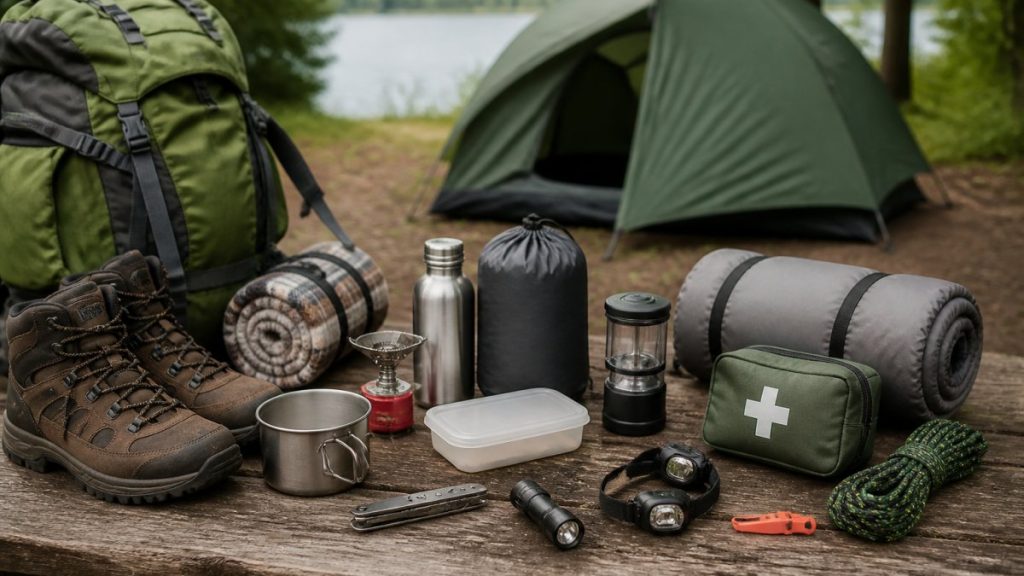
Oct
Table of Contents
- What Essential Camping Gear Do Beginners Really Need?
- Choosing a Camping Tent for Beginners
- Sleep System: Sleeping Bags, Pads, and Bedding
- Camping Cooking Equipment Essentials
- Water, Food, and Lighting for Your Campsite
- Camping Safety Essentials and Emergency Gear
- Your Beginner Camping Checklist
- Preparing Yourself and Your Gear Before You Go
- Frequently Asked Questions
Last Updated: October 11, 2026
What Essential Camping Gear Do Beginners Really Need?
The difference between a miserable camping trip and a memorable one often comes down to having the right essential camping gear for beginners.
Most beginners either buy too much gear or skip essentials. The sweet spot is understanding what matters for your specific trip, then choosing reliable gear that does one thing well.
This guide covers the essential camping gear checklist you need: shelter, sleep systems, cooking, water, lighting, and safety.
Choosing a Camping Tent for Beginners
Your tent is your first line of defence against weather. For beginners, prioritise a shelter that sets up quickly, keeps rain out, and offers enough space to move comfortably. Understand the trade-offs between cost, weight, durability, and features for your specific trip.
Tent Type and Season Rating
A three-season tent works for most beginner camping, handling spring, summer, and autumn without the extra weight and cost of a four-season tent. A four-season tent is overkill unless you’re planning winter trips or high-altitude mountaineering.
Within three-season tents, two main shapes dominate:
Dome tents are the most common beginner choice: stable in wind, quick setup (5-10 minutes), and good interior space. A basic dome tent costs $80-$200 and weighs 1.5-2.5 kg. Tunnel tents are more spacious but require careful pitching and are less stable in high winds; they suit car camping where weight matters less.
Essential Tent Features
Look for a tent with these features to ensure it performs well in typical conditions:
Full rainfly extending to the ground on all sides is non-negotiable. Sealed seams prevent water seeping through stitching; taped floor seams are sufficient for beginner trips in mild weather. Bathtub-style floor extending 20-30 cm up the walls prevents water pooling during heavy rain.
Ventilation (mesh panels or vents) reduces condensation; look for at least two vents. Guylines and stakes anchor the tent and stabilise it in wind; aluminium stakes are stronger than plastic. Most tents include basic stakes; upgrade if you camp frequently.
Tent Size and Space
A three-person tent gives more breathing room than a two-person tent without being unwieldy, typically weighing 2-3 kg and costing $150-$300. For car camping, weight matters less; for backpacking, every 500 g counts. For your first trip, prioritise comfort and usable space.
Budget Tiers for Beginners
Understanding where to spend money helps you make smart choices:
Budget tier ($80-$150): Basic dome tents adequate for car camping and short trips; expect to replace after 20-30 nights. Mid-range tier ($150-$350): Better materials, lighter weight, sealed seams throughout; lasts 50+ nights. Recommended if you camp several times yearly. Premium tier ($350+): Ultralight materials and exceptional durability; overkill for beginners unless planning extended backcountry trips.
For your first tent, a mid-range three-person dome tent ($200-$250) is the sweet spot. It’s affordable enough to buy without regret if camping isn’t for you, durable enough to last several seasons, and spacious enough to be comfortable.
Setup and Practice
Practice tent setup at home to prevent frustration at your campsite and discover any missing parts. When you arrive, choose a flat, well-drained spot free of rocks and sticks. Pitch the tent with the door facing away from prevailing wind. In rain, set up the rainfly first, then the tent body underneath.
Sleep System: Sleeping Bags, Pads, and Bedding
Choose a sleeping bag rated 5-10 degrees colder than the lowest night-time temperature you expect. A sleeping pad is equally important for insulation and comfort; foam pads are affordable and durable, while inflatable pads offer more comfort. Many beginners pair a thin foam pad with a small inflatable pad for balance.
Mummy bags retain heat efficiently; rectangular bags offer more room but insulate less. Beginners often prefer rectangular bags for comfort. A camp pillow or stuff sack filled with clothes dramatically improves sleep quality.
Camping Cooking Equipment Essentials
A canister stove is lighter and easier for beginners. Pair it with a lightweight pot and pan; a single pot boils water and cooks meals, while a frying pan handles eggs and vegetables. A spork saves weight, and lightweight plastic plates and a metal mug complete your kitchen. Bring a small cutting board and sharp knife for food prep.
A pot with a lid boils water faster and uses less fuel. Store food in sealed containers or stuff sacks to keep it fresh and prevent attracting wildlife. Campzone carries compact cooking kits designed for beginners with essentials at reasonable cost.
Water, Food, and Lighting for Your Campsite
Safe Drinking Water and Treatment
Established campgrounds have treated tap water; carry a water bottle and refill from the tap. For remote trips drawing from streams or lakes, you need a treatment method.
Three practical options exist for beginners:
Lightweight water filters ($30-$60, under 100 g) remove bacteria and protozoa; ideal for backcountry trips. Boiling for one minute (three minutes above 2000 m) kills all pathogens but uses fuel. Tablets (chlorine dioxide or iodine) are lightweight and cheap but add taste and don’t work on cloudy water; good for short trips or backup.
For established campgrounds, refill from the tap. For backcountry trips, use a lightweight filter. Avoid untreated water; giardia and cryptosporidium are invisible and cause severe illness. Plan 2-3 litres per person per day; more on hot days or strenuous hikes.
Sanitation and Waste Disposal
Proper waste disposal protects the environment and prevents wildlife attraction. Greywater goes 30 metres from water sources; strain food scraps first. Human waste uses provided toilets at campgrounds or a cathole 30 metres from water sources on backcountry trips. Rubbish must be packed out entirely; never bury it. Food scraps go in sealed containers to prevent attracting wildlife.
Food Planning and Preparation
Bring foods requiring minimal cooking: instant noodles, dehydrated meals, canned beans, peanut butter, crackers, dried fruit, and energy bars. For trips longer than two days, dehydrated meals weigh far less than canned goods. Plan meals before you leave to bring exactly what you need.
Lighting Your Campsite
Lighting transforms your campsite after dark. A headlamp is essential; it frees your hands for cooking, setting up camp, or moving around safely. Bring extra batteries, LED headlamps are efficient, but batteries still run down, especially in cold weather. A lantern hung from a tree or tent pole lights the whole camp area and creates a more comfortable atmosphere. Many beginners underestimate how dark it gets in the wilderness.
For short trips, a single headlamp and spare batteries are sufficient. For longer trips or group camping, a lantern plus headlamps gives you flexibility and redundancy.
Camping Safety Essentials and Emergency Gear
A first-aid kit is non-negotiable. Include blister treatment, pain relief, antihistamine, antiseptic wipes, bandages, and any personal medications. Add tweezers for splinters and a small scissors.
A multi-tool or knife handles camp tasks, cutting rope, opening cans, preparing food. A whistle is your emergency signal if you become separated from your group.
Know the weather forecast before you leave. Bring clothing layers appropriate for temperature swings, a warm mid-layer, a waterproof outer shell, and extra socks.
Tell someone where you’re going and when you expect to return.
Your Beginner Camping Checklist
| Category | Item | Why It Matters |
|---|---|---|
| Shelter | Tent with rainfly and stakes | Protects you from weather and insects |
| Sleep | Sleeping bag, pad, pillow | Warmth and comfort for rest |
| Cooking | Stove, fuel, pot, utensils | Prepare meals and hot drinks |
| Water | Bottle or container, filter | Stay hydrated safely |
| Lighting | Headlamp, lantern, batteries | Navigate and work after dark |
| Safety | First-aid kit, multi-tool, whistle | Handle emergencies and camp tasks |
| Clothing | Layers, rain jacket, sturdy shoes | Stay warm and dry in changing weather |
| Navigation | Map, compass, or GPS device | Find your way and stay oriented |
Practise setting up your tent and using your stove at home before your first trip. This ten-minute rehearsal prevents frustration at the campsite and builds confidence.
Preparing Yourself and Your Gear Before You Go
The best way to avoid problems on a camping trip is preparation.

Break in your boots or hiking shoes before the trip. Blisters on day one ruin the experience.
Learn basic camp skills before you go. Know how to set up your tent, light your stove safely, and filter water if needed.
Pack your backpack at home and wear it for a short walk.
According to Australian Camping and Caravanning Federation guidelines, checking weather conditions and informing someone of your trip details are essential safety practices.
Campzone has helped countless beginners gather their first camping kit.
The gap between dreading a camping trip and genuinely enjoying it often comes down to having reliable gear and knowing what to expect. Visit Campzone to explore our range of beginner-friendly tents, sleeping systems, cooking equipment, and safety essentials.
Frequently Asked Questions
What is the 3-3-3 rule when camping?
The 3-3-3 rule is a survival priority guide: you can survive 3 weeks without food, 3 days without water, and 3 hours without shelter (depending on weather). For beginners, this highlights why essential camping gear, a tent, sleeping bag, and water bottle, must be your priorities. Harsh weather can turn dangerous quickly, so a reliable shelter protects you first. Always pack a tent rated for the expected temperature, a full water supply, and emergency items before worrying about comfort extras.
What should I include in my beginner camping checklist?
A solid beginner camping checklist covers shelter (tent, tent pegs, mallet), sleep (sleeping bag, sleeping pad), cooking (camp stove, cookware, utensils), water (water bottle, water jug), lighting (headlamp, spare batteries), clothing (layers, wet-weather gear, comfortable shoes), safety (first-aid kit, multi-tool, whistle), and hygiene (toiletries, sun protection, insect protection). Start with these core items, then add comfort gear like a camp chair or camp pillow once you’ve practiced. Avoid overpacking, beginners often bring too much and find their setup too heavy or cumbersome.
How do I choose a camping tent for beginners?
Choose a tent based on your group size, season, and weather conditions. A 3-season tent suits most beginners and handles spring through autumn camping. Pick a capacity one size larger than your group (a 2-person tent for two people feels cramped). Check the temperature rating, it should match your expected conditions. Look for easy setup with colour-coded poles and simple instructions. Practise pitching your tent at home before your trip. Ensure it has good ventilation to reduce condensation and a sewn-in groundsheet to keep moisture out. Test the zips and seams for quality.
What camping cooking equipment do I need to start?
Begin with a portable camp stove (single or double burner), a lightweight cookware set (pot, pan, kettle), utensils (spatula, tongs, knife), and a cutting board. Add plates, bowls, cups, and cutlery for your group. A camping cooler keeps food fresh, and a water jug stores drinking water. Bring a lighter or matches for starting the stove. Check that your equipment fits your caravan kitchen or campsite space, measure before buying. Start simple: you don’t need fancy equipment, just reliable pieces that work.
What camping safety essentials should I always pack?
Always carry a well-stocked first-aid kit, a multi-tool or knife, a whistle for emergencies, a headlamp with spare batteries, and a navigation tool (map or GPS). Bring sun protection (sunscreen, hat), insect protection (repellent), and a repair kit with duct tape and spare tent pegs. Pack emergency contact details and know your campsite’s location. Wear layers so you can adjust to temperature changes. Tell someone where you’re going and when you’ll return. Keep your phone charged and know if the area has mobile coverage. These items prevent most common camping problems and help you respond to genuine emergencies.
Can beginners borrow or skip some camping gear?
Yes, you can borrow or skip certain items for your first trip. Borrow a tent, sleeping bag, or cooking equipment from experienced friends if possible, this helps you test what you like before buying. Skip luxury items like camp chairs, camp blankets, or extra camp pillows until your second or third trip. However, never skip a reliable sleeping bag, sleeping pad, or first-aid kit, these affect your comfort and safety. Don’t skip water bottles or a headlamp either. Borrowing core gear lets beginners start camping affordably and discover their preferences before investing in personal equipment.
How should I prepare my gear before my first camping trip?
Set up your tent at home and practise taking it down. Check that all pegs, poles, and guy-ropes are present and undamaged. Test your camp stove and cookware in your backyard. Charge your headlamp and check spare batteries. Inspect your sleeping bag and sleeping pad for damage. Review your first-aid kit and replace any expired items. Lay out your clothing and pack it into your daypack to test the fit and weight. Check weather forecasts for your campsite and adjust your clothing layers accordingly. Walk through your checklist item by item. This preparation builds confidence, catches missing items, and ensures nothing fails on site.